scroll to explore




lINE FOLLOWING ROBOTS (LFR)
LINE FOLLOWER ROBOT
MARK 1, MARK 2, MARK X, SPIRIT
DESCRIPTION
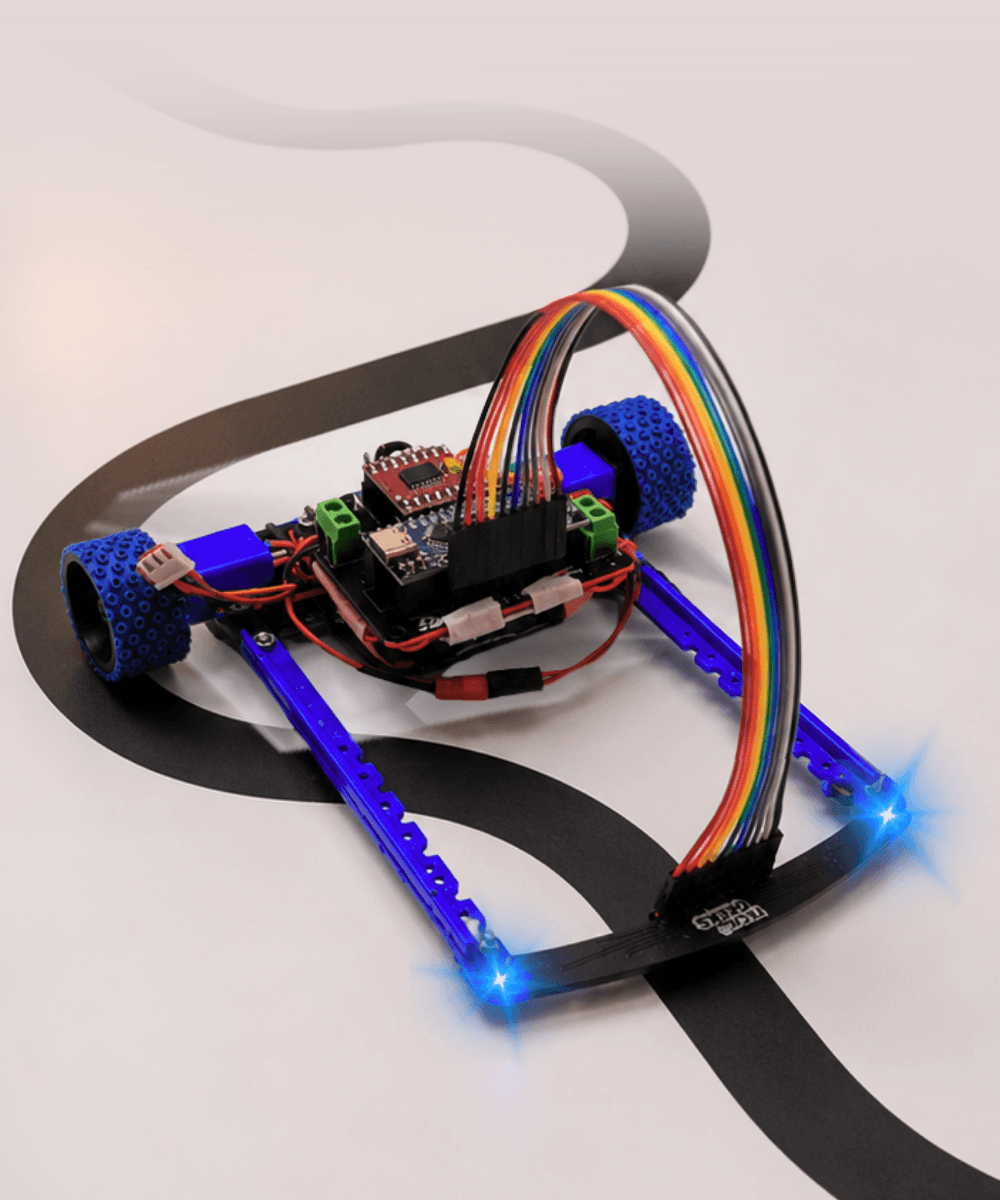
A foundational LFR, built to teach the core skills of sensing and control.
DESCRIPTION
An advanced LFR with suction setup that increases downforce for grip on turns.
DESCRIPTION
A LFR built on 16 Channel sensor for harder tracks, including acute angles and other unpredictable tricky paths.
DESCRIPTION
Our fastest and lightest LFR. Generates over 600 grams of downforce to tackle sharp corners.



DESCRIPTION
A foundational LFR, built to teach the core skills of sensing and control.
DESCRIPTION
An advanced LFR with suction setup that increases downforce for grip on turns.
DESCRIPTION
A LFR built on 16 Channel sensor for harder tracks, including acute angles and other unpredictable tricky paths.
DESCRIPTION
Our fastest and lightest LFR. Generates over 600 grams of downforce to tackle sharp corners.
DESCRIPTION
A foundational LFR, built to teach the core skills of sensing and control.
DESCRIPTION
An advanced LFR with suction setup that increases downforce for grip on turns.
DESCRIPTION
A LFR built on 16 Channel sensor for harder tracks, including acute angles and other unpredictable tricky paths.
DESCRIPTION
Our fastest and lightest LFR. Generates over 600 grams of downforce to tackle sharp corners.
sENSORS and pcb
ARC-16, ARC-18, BLUEPRINT PCB, SPIRIT PCB
DESCRIPTION
An 8 Channel IR Sensor Array designed for line detection.
DESCRIPTION
A curved 16 Channel IR Sensor Array with 2 Dimensional Vision for wider and accurate line positioning.
DESCRIPTION
A robot controller board built around an Arduino Nano and TB6612FNG motor driver for robotics projects.
DESCRIPTION
A lightweight PCB cum LFR Chassis with integrated suction unit. Runs on an Arduino Nano and TB6612FNG driver.


DESCRIPTION
An 8 Channel IR Sensor Array designed for line detection.
DESCRIPTION
A curved 16 Channel IR Sensor Array with 2 Dimensional Vision for wider and accurate line positioning.
DESCRIPTION
A robot controller board built around an Arduino Nano and TB6612FNG motor driver for robotics projects.
DESCRIPTION
A lightweight PCB cum LFR Chassis with integrated suction unit. Runs on an Arduino Nano and TB6612FNG driver.
DESCRIPTION
An 8 Channel IR Sensor Array designed for line detection.
DESCRIPTION
A curved 16 Channel IR Sensor Array with 2 Dimensional Vision for wider and accurate line positioning.
DESCRIPTION
A robot controller board built around an Arduino Nano and TB6612FNG motor driver for robotics projects.
DESCRIPTION
A lightweight PCB cum LFR Chassis with integrated suction unit. Runs on an Arduino Nano and TB6612FNG driver.
other components
CHASSIS, WHEELS, IMPELLER SETUP, USC
DESCRIPTION
A Plug and Play 3D printed Chassis Frame used in Mark-1. Customizable for your hardware.
DESCRIPTION
A lightweight 3D printed Chassis Frame integrated with Suction Setup including the USC Chip. Used in Mark-2.
DESCRIPTION
An integrable Suction Impeller Setup with 8520 Coreless motor and USC Chip for powerful Downforce.
DESCRIPTION
A Mosfet based Unidirectional PWM controller for coreless impeller motor.
DESCRIPTION
A Pair of High Traction N20 Wheels, D shaft compatible and available in various sizes.


DESCRIPTION
A Plug and Play 3D printed Chassis Frame used in Mark-1. Customizable for your hardware.
DESCRIPTION
A lightweight 3D printed Chassis Frame integrated with Suction Setup including the USC Chip. Used in Mark-2.
DESCRIPTION
An integrable Suction Impeller Setup with 8520 Coreless motor and USC Chip for powerful Downforce.
DESCRIPTION
A Mosfet based Unidirectional PWM controller for coreless impeller motor.
DESCRIPTION
A Pair of High Traction N20 Wheels, D shaft compatible and available in various sizes.
DESCRIPTION
A Plug and Play 3D printed Chassis Frame used in Mark-1. Customizable for your hardware.
DESCRIPTION
A lightweight 3D printed Chassis Frame integrated with Suction Setup including the USC Chip. Used in Mark-2.
DESCRIPTION
An integrable Suction Impeller Setup with 8520 Coreless motor and USC Chip for powerful Downforce.
DESCRIPTION
A Mosfet based Unidirectional PWM controller for coreless impeller motor.
DESCRIPTION
A Pair of High Traction N20 Wheels, D shaft compatible and available in various sizes.

BRAINSTORMING
Why the PCB Is the Chassis: Inside the Techgeeks Spirit Design
Why the PCB Is the Chassis: Inside the Techgeeks Spirit Design
The Spirit skips the separate frame entirely and lets one PCB carry the motors, the impeller, and every electronic component. Here's the engineering logic behind that decision, and the stiffness-for-modularity trade it makes along the way.
The Spirit skips the separate frame entirely and lets one PCB carry the motors, the impeller, and every electronic component. Here's the engineering logic behind that decision, and the stiffness-for-modularity trade it makes along the way.
Hrithik Khanna
8 min read
BUYING GUIDE
Kit or Pre-Assembled Bot? The Real Trade-off Nobody Explains
Kit or Pre-Assembled Bot? The Real Trade-off Nobody Explains
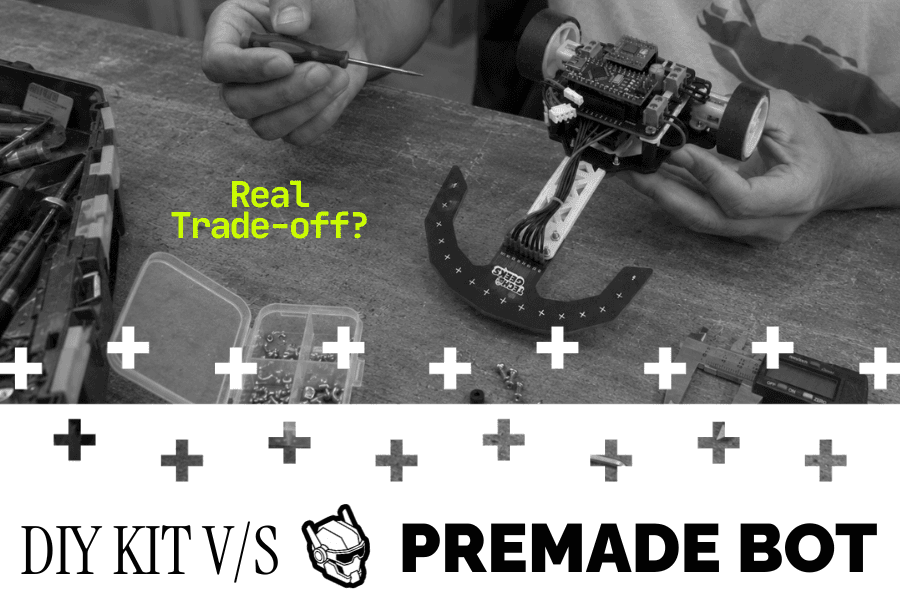
The site calls it "unassembled kit" versus "premade bot." What that choice really costs you is time, skill, and how well you know your own robot when it breaks. Decide by your deadline, not by which box looks easier.
The site calls it "unassembled kit" versus "premade bot." What that choice really costs you is time, skill, and how well you know your own robot when it breaks. Decide by your deadline, not by which box looks easier.
Rupin Pratap Singh
6 min read

COMPARISON
Arduino Nano vs Uno vs ESP32: Which Board Should Beginners Use?
Arduino Nano vs Uno vs ESP32: Which Board Should Beginners Use?
Three boards show up in every beginner search, and most guides never say why only one fits inside an actual robot chassis. This breaks down pin count, logic voltage and size, the details that decide it for a line follower.
Three boards show up in every beginner search, and most guides never say why only one fits inside an actual robot chassis. This breaks down pin count, logic voltage and size, the details that decide it for a line follower.
Hrithik Khanna
8 min read

DATE & TIME
20-22nd November, 2026
VENUE
Noida Indoor Stadium, Noida
EVENT DESCRIPTION
Technoxian World Robotics Championship (WRC) is an international robotics competition that brings together teams from across the world to compete in various robotics challenges and showcase their technical skills.
Technoxian WRC
DATE & TIME
16-18th December, 2026
VENUE
IIT Bombay, Mumbai
EVENT DESCRIPTION
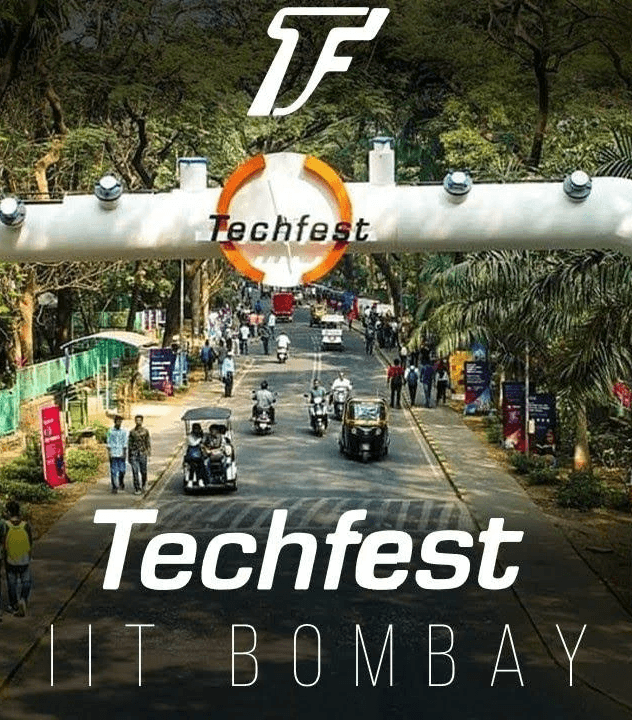
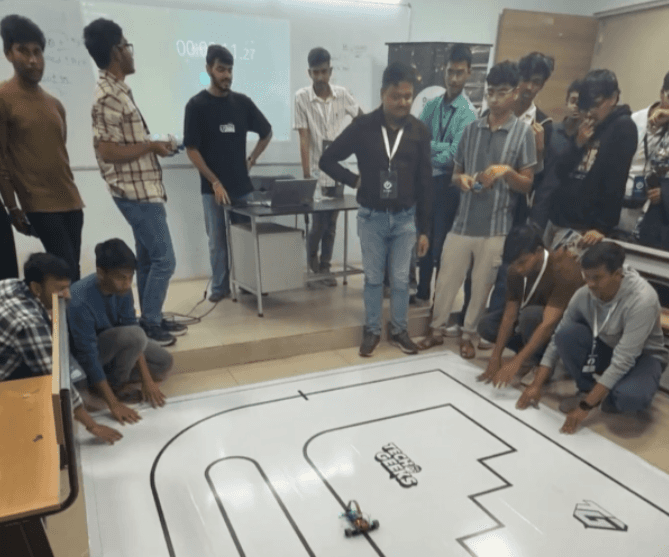
Techfest, IIT Bombay is a leading science and technology festival featuring technical competitions, workshops, exhibitions and other events for students and technology enthusiasts.
IIT Bombay Techfest

DATE & TIME
28–29th November, 2026
VENUE
Seoul, South Korea
EVENT DESCRIPTION
Robotex International is a global robotics festival and competition where participants compete in challenges such as Line Following, Maze Solving, Sumo, Robot Football and Drone Racing, while also showcasing robotics and technology innovations.
Robotex International
DATE & TIME
20-22nd November, 2026
VENUE
Noida Indoor Stadium, Noida
EVENT DESCRIPTION
Technoxian World Robotics Championship (WRC) is an international robotics competition that brings together teams from across the world to compete in various robotics challenges and showcase their technical skills.
Technoxian WRC
DATE & TIME
16-18th December, 2026
VENUE
IIT Bombay, Mumbai
EVENT DESCRIPTION
Techfest, IIT Bombay is a leading science and technology festival featuring technical competitions, workshops, exhibitions and other events for students and technology enthusiasts.
IIT Bombay Techfest
DATE & TIME
28–29th November, 2026
VENUE
Seoul, South Korea
EVENT DESCRIPTION
Robotex International is a global robotics festival and competition where participants compete in challenges such as Line Following, Maze Solving, Sumo, Robot Football and Drone Racing, while also showcasing robotics and technology innovations.
Robotex International











POWERED BY
MENU
MENU
BLOGS PAGE
BLOGS PAGE
ORDER HISTORY
ORDER HISTORY
HELP & FAQS
HELP & FAQS
TERMS & CONDITIONS
TERMS & CONDITIONS
SHIPPING & RETURNS
SHIPPING & RETURNS
SOCIALS
SOCIALS
+91 99685 57568
+91 99685 57568
THEONLYTECHGEEKS@GMAIL.COM
THEONLYTECHGEEKS@GMAIL.COM
DROP US A MESSAGE
DROP US A MESSAGE
FUELING
CURIOSITY

BUILD >
TALK

STAY
YOUNG

DEBUG
YOUR EGO

BEST FRE*KING
HARDWARE

HOTTEST
TECH

STAY
WILD

F*CK
MEDIOCRITY

STAY
CURIOUS

FUELING
CURIOSITY
BUILD >
TALK
STAY
YOUNG
DEBUG
YOUR EGO
BEST FRE*KING
HARDWARE
HOTTEST
TECH
STAY
WILD
F*CK
MEDIOCRITY
STAY
CURIOUS
Fin.


why choose us
brand
At Techgeeks, we believe that great innovation starts with right people and reliable tools. We are committed to delivering the highest quality hardware to ensure nothing stands between you and your creation.
Thank you for choosing us to fuel your curiosity. Cheers to building the future.
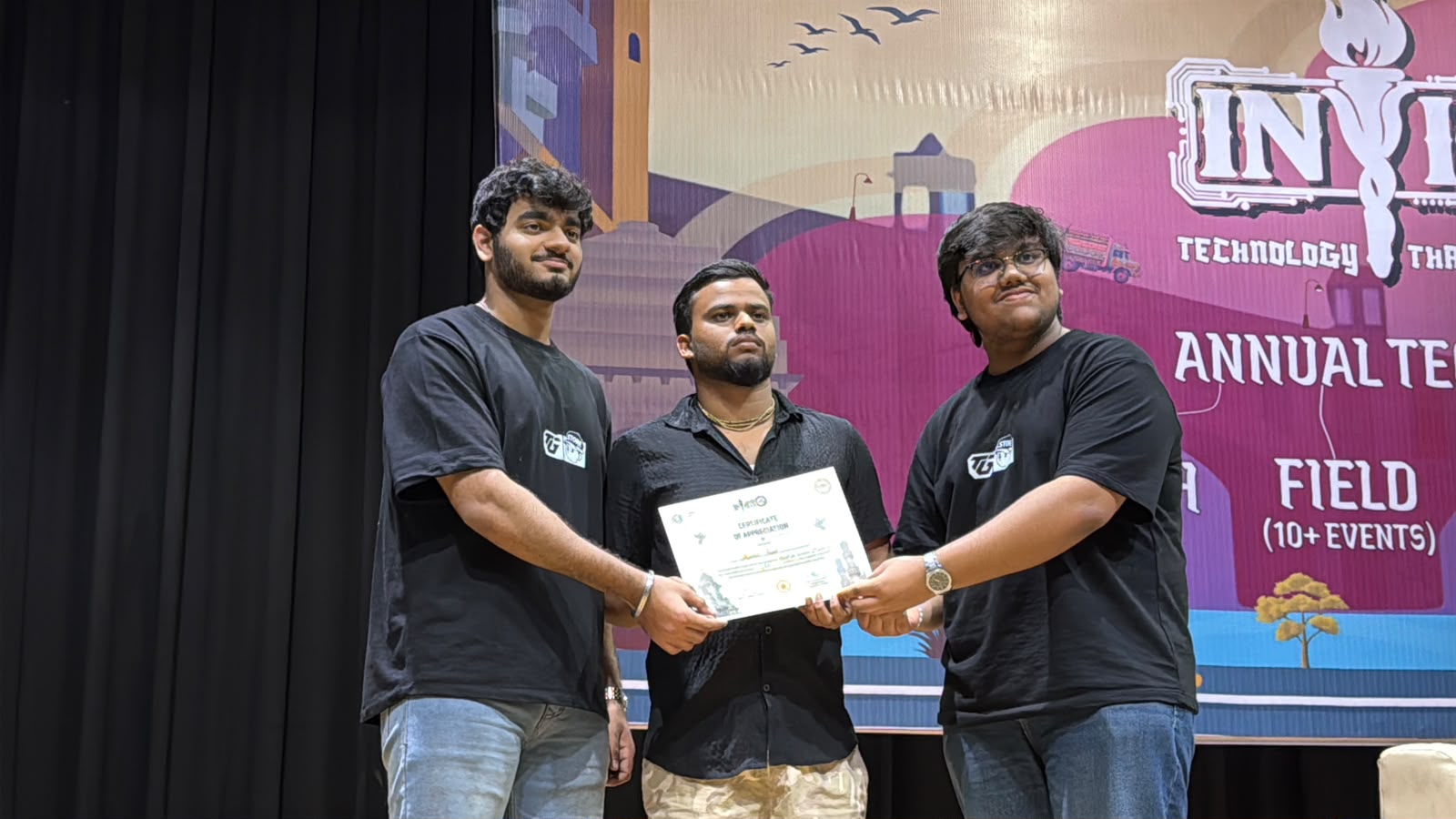
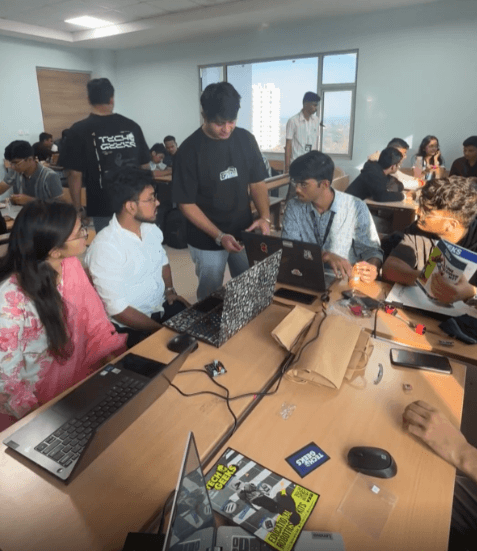
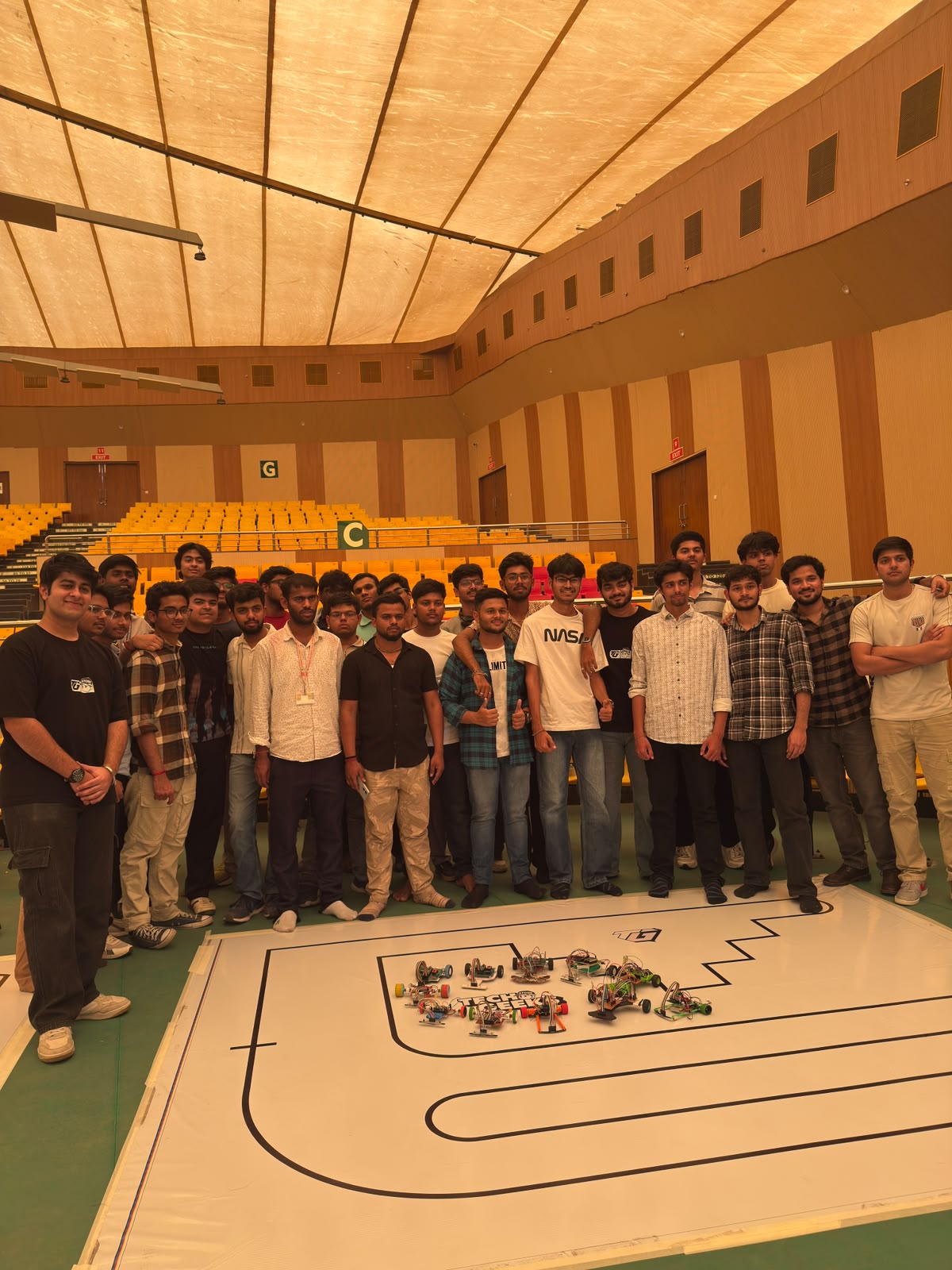
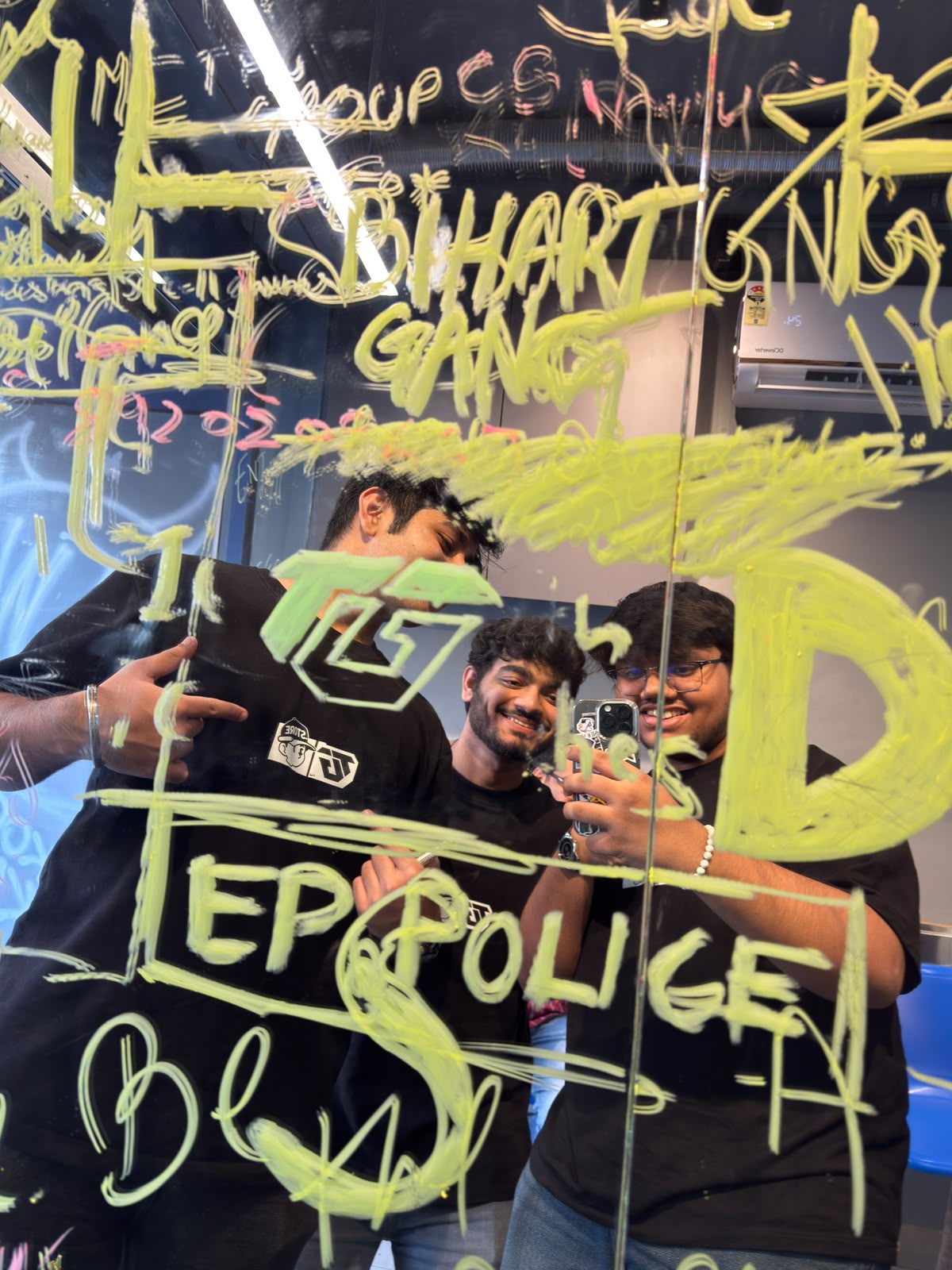
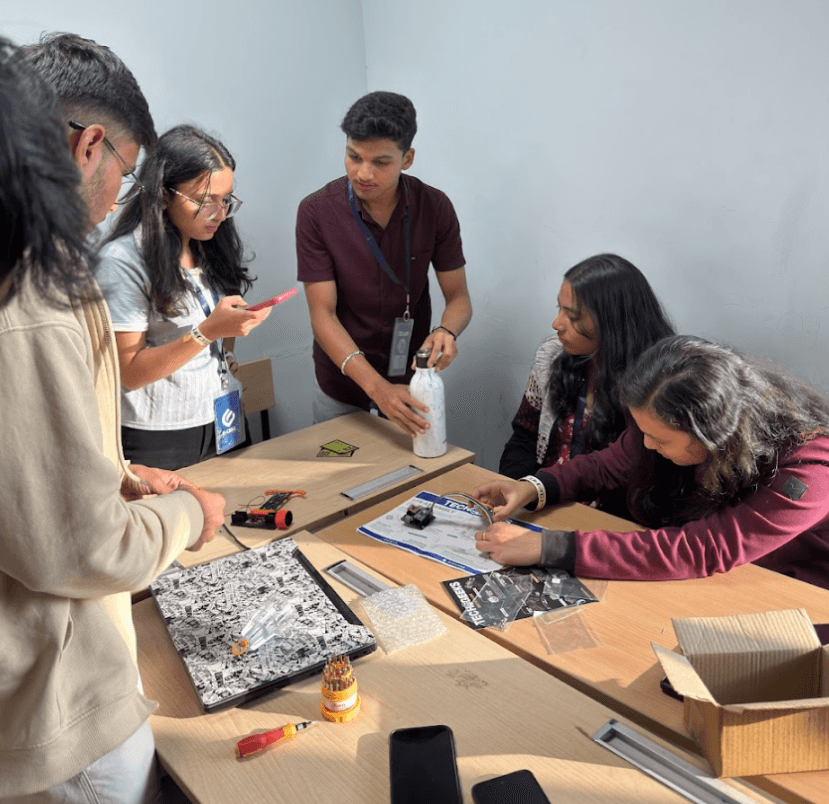
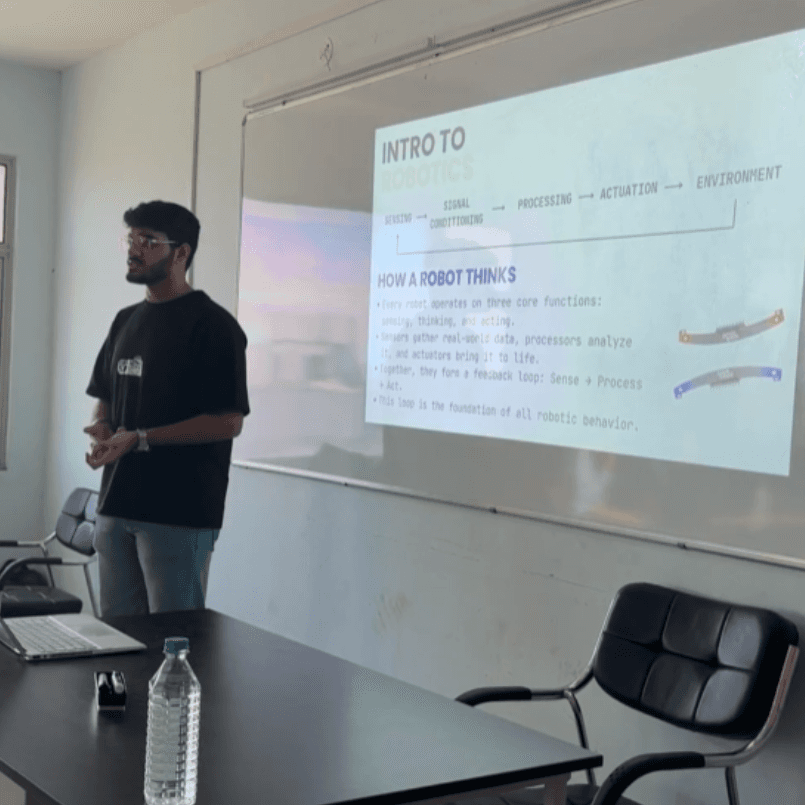
TechGeeks is building India's most engaged robotics hardware community — a space for engineering students, makers, and competition robotics teams who believe in building over talking. Our community connects on Instagram (@techgeeeks), WhatsApp, Discord, LinkedIn, and GitHub, sharing build logs, competition results, code repositories, and hardware experiments. Whether you're tuning your first PID loop, preparing for Techfest IIT Bombay, or building a maze solver for Robocon, the TechGeeks community is where your peers are. Our product resources hub provides direct links to GitHub source code, build guides, product manuals, and technical documentation for every TechGeeks product — Mark 1 LFR, Mark 2 Advanced Suction LFR, ARC8 and ARC16 sensor arrays, Blueprint 01 controller board, and all chassis and components. Everything is open-source and designed to be learnable — because zero gatekeeping is our core philosophy. The Open Sauce blog documents our builds, engineering decisions, and component deep-dives in the same no-fluff style as the products themselves. TechGeeks events, workshops, and meetups bring the community offline — joining competition teams at college tech fests across Delhi, Bangalore, Mumbai, Chennai, and beyond. We post event coverage, moments, and archives here as they happen. Follow @techgeeeks on Instagram for the fastest updates, or join the WhatsApp community to connect with other builders directly.
This is the TechGeeks community hub — where Indian makers, robotics builders, and engineering students come together. Follow our latest builds and releases on Instagram, access product documentation and GitHub repos, explore blogs and tutorials, and stay updated on events, meetups, and tech fests where TechGeeks hardware will be competing.
join robotics community India students TechGeeks events workshops India line follower robot resources India robotics build documentation India Arduino robotics community India
At Techgeeks, we believe that great innovation starts with right people and reliable tools. We are committed to delivering the highest quality hardware to ensure nothing stands between you and your creation.
Thank you for choosing us to fuel your curiosity. Cheers to building the future.
TechGeeks is building India's most engaged robotics hardware community — a space for engineering students, makers, and competition robotics teams who believe in building over talking. Our community connects on Instagram (@techgeeeks), WhatsApp, Discord, LinkedIn, and GitHub, sharing build logs, competition results, code repositories, and hardware experiments. Whether you're tuning your first PID loop, preparing for Techfest IIT Bombay, or building a maze solver for Robocon, the TechGeeks community is where your peers are. Our product resources hub provides direct links to GitHub source code, build guides, product manuals, and technical documentation for every TechGeeks product — Mark 1 LFR, Mark 2 Advanced Suction LFR, ARC8 and ARC16 sensor arrays, Blueprint 01 controller board, and all chassis and components. Everything is open-source and designed to be learnable — because zero gatekeeping is our core philosophy. The Open Sauce blog documents our builds, engineering decisions, and component deep-dives in the same no-fluff style as the products themselves. TechGeeks events, workshops, and meetups bring the community offline — joining competition teams at college tech fests across Delhi, Bangalore, Mumbai, Chennai, and beyond. We post event coverage, moments, and archives here as they happen. Follow @techgeeeks on Instagram for the fastest updates, or join the WhatsApp community to connect with other builders directly.
This is the TechGeeks community hub — where Indian makers, robotics builders, and engineering students come together. Follow our latest builds and releases on Instagram, access product documentation and GitHub repos, explore blogs and tutorials, and stay updated on events, meetups, and tech fests where TechGeeks hardware will be competing.
join robotics community India students TechGeeks events workshops India line follower robot resources India robotics build documentation India Arduino robotics community India